Building What Lasts: Leadership Lessons from a Cord Blood Bank
People often assume that leadership in healthcare is mainly about making decisions, managing budgets, supervising teams, and delivering measurable results. Those responsibilities matter, of course, but they only describe the surface of leadership. The deeper work is much more human: creating trust, giving people direction, helping teams stay grounded under pressure, and making decisions that protect both the mission and the people behind it.
My experience leading a cord blood banking program has taught me that leadership is not defined by authority. It is defined by the way a leader shows up when the work is complex, the stakes are high, and people need confidence as much as they need instructions.
As I progress through the Harvard Senior Leadership Program, I find myself reflecting more deeply on the lessons I have learned while leading in the field of cord blood banking. At first glance, this field may seem highly technical, centered on stem cells, laboratories, regulatory requirements, and cryogenic freezers. Yet the most important lessons I have carried with me are not only scientific or operational, but They are also leadership lessons shaped by people, purpose, patience, and the discipline required to build something that can outlast individual effort.
In many ways, the work reminded me that healthcare leadership is ultimately about service. It is about serving patients we may never meet, families who place their hopes in the future, and colleagues who depend on clear direction, consistent standards, and a shared sense of meaning.
Lesson one: A leader builds a system, not a position.
Any organization can hire talented people, purchase advanced equipment, and write policies and procedures. These are important foundations, but they do not guarantee success. A leader’s role is to connect these pieces into a living system where people understand why the work matters, how their roles contribute to the mission, and what standards must never be compromised.
Very few organizations succeed in building a culture where excellence becomes a habit rather than a campaign. Culture is built through repeated behaviors: how leaders respond to mistakes, how teams communicate risk, how quality is protected when workloads increase, and how people are encouraged to take ownership rather than simply follow instructions.
A true leader builds a system that continues to function, improve, and create value even when the leader is not physically present. This requires humility, because the goal is not to make the organization dependent on one person. The goal is to develop people, clarify processes, strengthen accountability, and create a structure where good decisions can be made at every level.
Lesson two: Leadership is the ability to create clarity amid uncertainty.
Every day, leaders are required to make decisions with incomplete information. In healthcare, this uncertainty can be particularly challenging because decisions affect safety, resources, trust, and long-term institutional credibility. A leader cannot wait for perfect conditions before acting; instead, the leader must create enough clarity for people to move forward with confidence.
Should we expand or consolidate?
Should we build internally or partner externally?
Should we focus on today’s needs or invest in tomorrow’s opportunities?
The answer is rarely obvious. Leadership is often the ability to move forward while others are still waiting for certainty. This does not mean rushing or ignoring risk. It means listening carefully, asking the right questions, weighing the available evidence, and then communicating a direction that helps the team understand not only what we are doing, but why we are doing it.
Lesson three: Strategy is choosing what not to do.
One of the greatest leadership lessons I have learned is that success is not defined by the number of projects we pursue. Success depends on our ability to identify the initiatives that create the greatest long-term value and to have the discipline to focus our energy there. In leadership, saying yes is often easier because it feels active and positive. Saying no, or not yet, requires courage, judgment, and a clear understanding of priorities.
Not every opportunity should be pursued, even when it appears attractive. A leader must protect the organization from distraction by distinguishing between what is interesting and what is truly strategic.
Not every problem should be solved immediately, because some issues require timing, alignment, and the maturity of the system before the right solution can succeed.
Not every battle should be fought, because leadership is not about proving strength in every moment. Sometimes the strongest leadership choice is to preserve trust, maintain focus, and choose the path that best serves the mission over the long term.
Lesson four: Processes do not create excellence; people do.
A laboratory can have outstanding technology, but without committed people, shared values, and a culture of accountability, excellence cannot be sustained. Processes are necessary, but they only become powerful when people believe in them, understand them, and apply them with care even when no one is watching.
Technology can be purchased, but ownership must be developed. A leader creates an environment where people feel responsible for quality, where they speak up when something is not right, and where they understand that excellence is not a slogan but a daily standard.
Commitment cannot be forced. It grows when people are respected, trusted, developed, and reminded that their work has meaning. In a sensitive field like cord blood banking, this sense of purpose is essential because every unit represents possibility, hope, and a future patient who may one day depend on the quality of what was done today.
Lesson five: Great leaders think in decades, not quarters.
Building a cord blood bank is not simply about collecting, processing, and storing units. It is about building a capability that may serve patients years, and sometimes decades, from now. This requires a leadership mindset that looks beyond immediate performance indicators and considers the future value of today’s decisions.
It is about building trust in a system that families, clinicians, researchers, and future patients can rely on. When leaders think in decades, they become more careful with standards, more intentional with partnerships, and more patient in building capabilities that may not show immediate results but will create meaningful impact over time.
That perspective changes the way leaders think. Every decision becomes an investment in the future: the people we train, the systems we design, the standards we protect, and the culture we leave behind. The work may be technical, but the responsibility is deeply human.
For me, leadership is not a title, a position, or a line in an organizational chart. It is a responsibility to create direction when the path is unclear, to protect standards when pressure increases, and to help people see the meaning in the work they do every day.
Leadership is the ability to transform a vision into a system, a system into a culture, and a culture into a legacy. Leading a cord blood banking program has reminded me that the most meaningful leadership is not measured only by what we achieve today, but by what we make possible for others tomorrow.
What has leadership taught you about building something that lasts beyond your own presence?
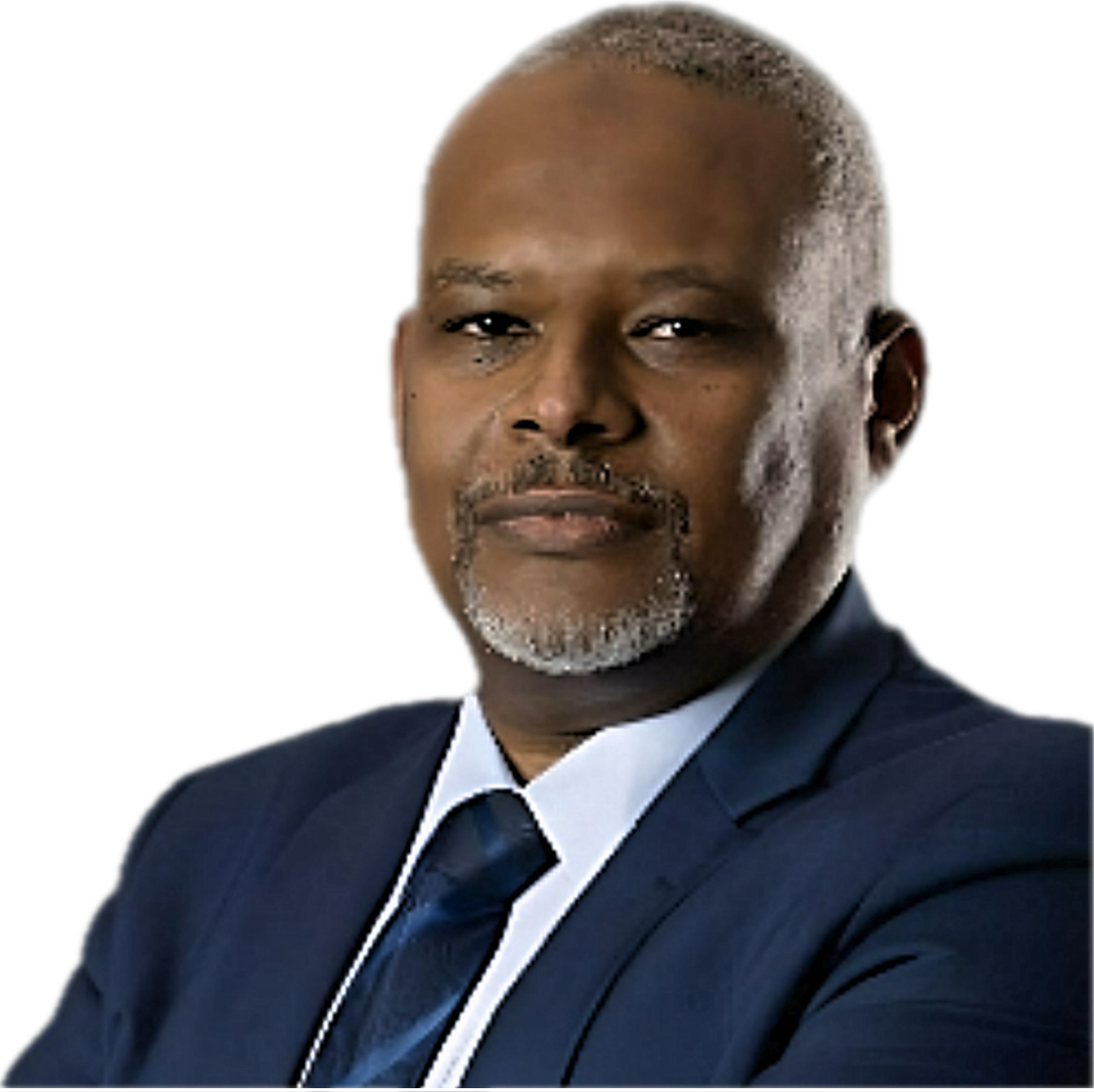
Dr. Hatim Alabbas
Ph.D, ABRM. Read the full story →